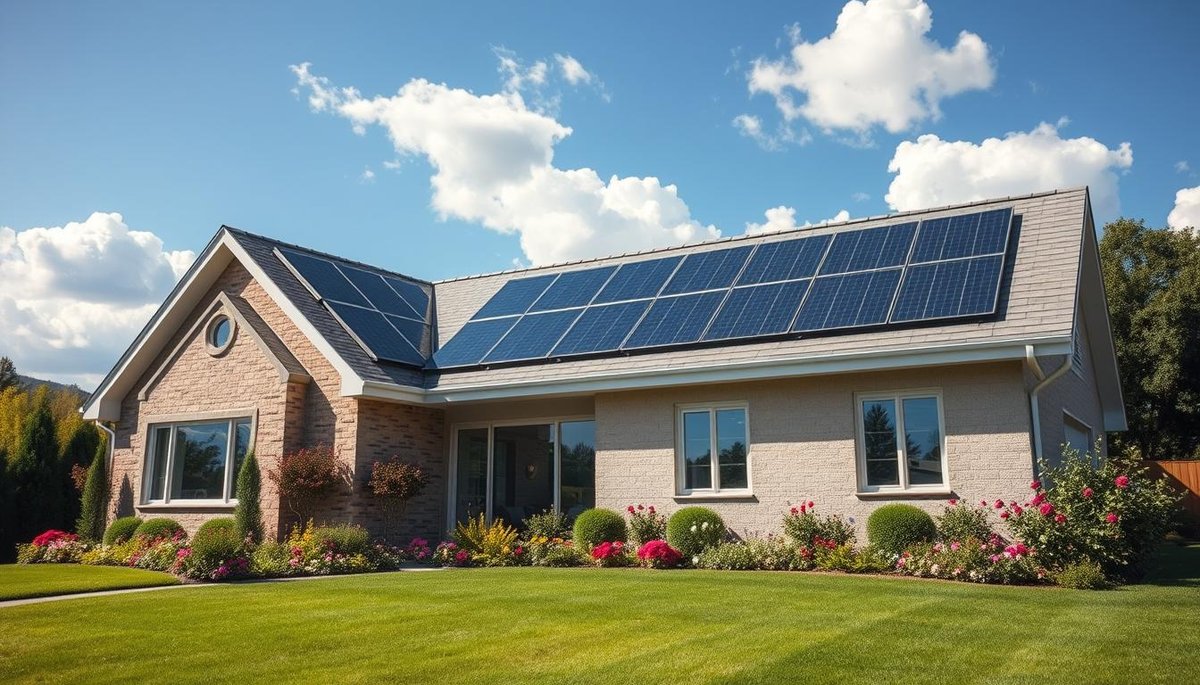
When the grid goes dark, silence can be deafening. For many homeowners, the thought of a prolonged power outage, whether due to severe weather or an unforeseen system failure, brings a chill more profound than any winter storm. That's why the debate around reliable backup power solutions, particularly the Benefits & Drawbacks of Solar Whole House Generators, has become a crucial conversation. Investing in energy independence isn't just about convenience; it's about security, sustainability, and smart living in an increasingly unpredictable world.
At a Glance: Solar Whole House Generators
- What they are: Systems that use solar panels to generate electricity, often stored in batteries, capable of powering an entire home during outages.
- Key Benefits: Drastically reduced electricity bills, lower carbon footprint, minimal noise, long lifespan, and protection against rising energy costs.
- Key Drawbacks: High upfront cost, reliance on sunlight, significant space requirements for panels and batteries, and potential need for battery replacement.
- How they differ from traditional generators: Solar systems are quiet, clean, and run without fuel; traditional generators are noisy, emit fumes, and require constant fuel supply.
- Best for: Eco-conscious homeowners in sunny regions, those seeking energy bill stability, and anyone prioritizing long-term energy independence over immediate cost.
Understanding the Power Players: Solar vs. Traditional Backup
Before we dive deep into the solar specifics, let's clarify what we're comparing.
A Whole House Generator is a steadfast guardian, a standby power source designed to spring into action and supply electricity to your entire home the moment grid power fails. Traditionally, these run on fuel – propane, natural gas, or diesel – and are connected via an automatic transfer switch that senses an outage and seamlessly kicks the generator on.
On the other side of the ring, we have Solar Power Generators. This isn't just a small portable unit for camping; we're talking about a robust system that harnesses the sun's abundant energy using photovoltaic panels. These panels convert sunlight directly into electricity, which can either power your home directly or be stored in a sophisticated battery bank for use when the sun isn't shining, or during an outage.
The core difference? One relies on fossil fuels and a mechanical engine; the other, on the sun's photons and advanced electronics. Each brings its own set of strengths and weaknesses to the table when it comes to keeping your lights on and your life running smoothly.
The Sunny Side: Benefits of Solar Whole House Generators
Opting for a solar whole house generator isn't just about keeping the lights on; it's a statement about your values and a long-term investment in your home's future. The advantages are compelling for many homeowners.
Sustainable & Eco-Friendly Power
Perhaps the most celebrated benefit of solar power is its environmental credentials. Unlike fuel-guzzling traditional generators, a solar power generator is a true green champion. It produces clean energy, free from the greenhouse gas emissions that contribute to climate change. By choosing solar, you're actively contributing to reducing your carbon footprint, making your home part of the solution rather than the problem. It’s a choice that resonates with those committed to a healthier planet.
Significant Savings on Electricity Bills
Imagine your monthly electricity bill shrinking, or even disappearing entirely. Solar power generators can significantly reduce, or in some cases, completely eliminate your reliance on the grid for daily electricity. Over time, these savings can be substantial, essentially allowing your home to generate its own power. This financial benefit only grows as utility rates inevitably climb, providing a hedge against future price increases.
Energy Independence and Security
With a solar whole house generator, you gain a remarkable degree of energy independence. You're no longer solely at the mercy of your local utility company or the fragility of the aging grid. During a blackout, while your neighbors are fumbling for flashlights, your solar system, especially when paired with robust battery storage, can keep your essential appliances, heating, and cooling running. This provides unparalleled energy security and peace of mind, especially in areas prone to severe weather or frequent outages. For many, this level of control over their home's power supply is invaluable.
Minimal Maintenance & Longevity
Solar systems are remarkably robust and require surprisingly little maintenance compared to their fossil fuel counterparts. With fewer moving parts, they are inherently more durable and have a longer lifespan. Occasional cleaning of panels (a simple rinse with a hose usually suffices) and an annual check-up are typically all that's needed. Solar panels themselves are built to last, often coming with warranties of 25-30 years, and often continue to generate power beyond that. While inverters may need replacement sooner, the overall system is designed for enduring performance. This means less hassle and lower ongoing costs for you.
Quiet Operation
Picture this: an outage hits, and instead of the roar of a traditional generator, you hear… nothing. Solar power generators operate silently. There are no noisy engines, no vibrations, just the quiet hum of electricity flowing. This drastically improves the quality of life during an outage, allowing you to maintain a peaceful home environment without disturbing your household or your neighbors.
Potential for Financial Incentives
While the initial cost can be high, governments and local utilities often offer various financial incentives, rebates, and tax credits to encourage solar adoption. These programs can significantly offset the upfront investment, making solar power more accessible. Researching government solar incentives in your area is a crucial step for potential buyers.
The Cloudy Forecast: Drawbacks of Solar Whole House Generators
No solution is without its trade-offs, and solar whole house generators, for all their brilliance, do come with certain challenges that prospective owners must consider.
Significant Upfront Investment
Let's not sugarcoat it: the initial setup cost for a solar whole house generator can be substantial. While traditional whole house generators typically range from $5,000 to $10,000 for installation, a comprehensive solar power generator system, including panels and battery storage, often starts at $15,000 and can easily reach $25,000 or more. This figure doesn't even account for potential electrical upgrades your home might need. For many homeowners, this high initial barrier can be a deal-breaker, even with the promise of long-term savings.
Reliance on Sunlight and Geographical Constraints
This is the fundamental reality of solar power: it needs the sun. Its efficiency is directly dependent on sunlight, which means performance can be inconsistent. On cloudy days, during heavy rain or snow, or, of course, at night, electricity generation drops significantly. While battery storage mitigates the nighttime issue, prolonged periods of inclement weather can deplete reserves faster than they can be recharged. This dependence also means that solar systems are best suited for sunny regions; homes in consistently overcast areas will see diminished returns.
Space Requirements
Solar panels aren't small, and to power an entire house, you'll need quite a few of them. This means ample space is required, typically on a south-facing roof for maximum sun exposure. If your roof isn't large enough, has too many obstructions (like chimneys or skylights), or is shaded by trees, ground-mounted systems become an option, but these require even more land. Additionally, the battery storage units, especially those sized for whole-house backup, are bulky and require a dedicated, temperature-controlled space, often in a garage or utility room.
Battery Storage: Cost and Maintenance
While essential for true energy independence and nighttime power, battery storage adds considerably to the overall cost of a solar whole house generator. These aren't just car batteries; they're sophisticated, high-capacity units designed for continuous cycling. Furthermore, while modern solar batteries are more durable than ever, they do have a finite lifespan (typically 5-15 years) and will eventually need to be replaced, adding another significant expense down the line. Proper understanding solar battery storage options is key to managing expectations and costs.
Efficiency Reduction Over Time
While solar panels are designed for longevity, their efficiency does slowly degrade over their 25-30 year lifespan. This means a panel that generates 400 watts today might only generate 380 watts in 10 years, and less after that. This isn't a sudden drop, but a gradual decline that future homeowners should factor into their long-term energy planning. Dirt and debris can also temporarily reduce efficiency, necessitating occasional cleaning.
Cost Comparison: Solar vs. Traditional Generators
Understanding the financial outlay is paramount. Let's break down the costs associated with both systems.
Initial Installation Costs
- Traditional Whole House Generator: Typically ranges from $5,000 to $10,000 or more. This includes the generator unit itself, the automatic transfer switch, and professional installation connecting it to your home's electrical system and fuel line.
- Solar Power Generator: A more significant investment, with initial setup costs ranging from $15,000 to $25,000, and often higher for larger homes or extensive battery storage. This covers panels, inverters, mounting hardware, wiring, battery bank, and installation labor.
Ongoing Costs: Fuel vs. Savings
- Traditional Whole House Generator: The main ongoing cost is fuel. Propane, natural gas, or diesel aren't free, and during a prolonged outage, these costs can quickly add up. You also have to consider the cost of refueling and potential delivery services.
- Solar Power Generator: Once installed, your "fuel" (sunlight) is free. This translates directly into significantly reduced or eliminated electricity bills over the system's lifespan. Over time, these savings can offset the higher initial investment, making solar a financially attractive option in the long run.
Maintenance Costs
- Traditional Whole House Generator: Requires regular servicing, including oil changes, filter replacements, and general tune-ups, similar to a car engine. These can cost a few hundred dollars annually.
- Solar Power Generator: Generally lower maintenance. Panel cleaning (often DIY with a hose) and occasional inverter replacements (every 10-15 years) are the primary costs. Panels themselves rarely need significant maintenance.
When weighing the costs, it's crucial to look beyond the sticker price. A solar system's higher upfront cost is often balanced by decades of free energy and minimal operational expenses, making it a compelling long-term investment for those with the initial capital.
Maintenance Matters: Keeping Your Power Flowing
Whether you choose traditional or solar, understanding the upkeep involved is key to ensuring your investment pays off when you need it most.
Traditional Whole House Generator Maintenance
These systems are essentially engines, and like any engine, they thrive on routine care. Expect:
- Regular Servicing: Annual or bi-annual professional check-ups are essential. This includes oil changes, spark plug replacements, air filter cleaning, and system diagnostics to ensure optimal performance.
- Fuel Management: You'll need to monitor fuel levels (for propane or diesel tanks) or ensure your natural gas line is clear and functioning. Testing the generator periodically (e.g., once a month) is also recommended to ensure it starts reliably.
- Ongoing Fuel Costs: This isn't maintenance, but it's an ongoing operational cost that must be budgeted for, especially during extended outages.
Solar Power Generator Maintenance
Solar systems are generally "set it and forget it" compared to their fuel-based counterparts, but they aren't entirely maintenance-free.
- Panel Cleaning: Dust, pollen, leaves, and bird droppings can accumulate on panels, reducing efficiency. A simple rinse with a garden hose a few times a year is usually sufficient. Inverters, which convert the DC power from panels to AC power for your home, typically have a lifespan of 10-15 years and will eventually need replacement.
- System Monitoring: Modern solar systems come with monitoring apps that allow you to track performance and identify any issues remotely. This proactive approach helps catch problems early.
- Battery Maintenance: While many modern solar batteries are "maintenance-free," it's wise to have them checked during your system's annual professional inspection. They also have a finite lifespan and will eventually require replacement, which should be factored into long-term budgeting.
The longevity of solar panels (25-30 years) and fewer moving parts generally translate to less hands-on maintenance for the homeowner.
Environmental Footprint: Green Champion vs. Necessary Evil
The environmental impact is a stark differentiator between these two backup power solutions.
Traditional Whole House Generators
Generally, these are not eco-friendly. Running on fossil fuels like natural gas, propane, or diesel, they produce exhaust emissions, including carbon dioxide (CO2), carbon monoxide (CO), and nitrogen oxides (NOx). These contribute to air pollution and climate change. While essential for emergency power, their environmental cost is a significant drawback for many eco-conscious homeowners.
Solar Power Generators
These are the undisputed green champions. By harnessing energy directly from the sun, they produce clean electricity with zero operational emissions. Choosing solar actively contributes to reducing the overall carbon footprint of your home and supports the transition to a sustainable energy future. While the manufacturing process of solar panels and batteries does have an environmental cost, the long-term operational benefits overwhelmingly position solar as the greener choice.
Best Use Cases: Who Benefits Most?
Deciding between a solar whole house generator and a traditional one often comes down to individual priorities, location, and lifestyle.
Who is a Traditional Whole House Generator Best For?
- Areas with Frequent, Severe Weather: If you live in a region prone to hurricanes, ice storms, or other events that cause prolonged and frequent power outages, the consistent power delivery of a fuel-based generator, regardless of cloud cover, offers unparalleled peace of mind.
- Immediate Energy Needs, Lower Upfront Cost: Homeowners who need immediate energy security but have a tighter budget for the initial investment might find traditional generators more accessible.
- Limited Space: If roof space is minimal, or your property doesn't allow for ground-mounted panels or a battery storage area, a compact traditional generator might be the only viable option.
- Reluctance Towards Long-Term Planning: Those who prefer a simpler "install and fuel" solution without delving into long-term energy bill analysis or sustainability metrics.
Who is a Solar Power Generator Best For?
- Commitment to Sustainability: Homeowners for whom environmental impact is a primary concern will find solar systems align perfectly with their values.
- Long-Term Financial Savings: If you're looking to significantly reduce or eliminate your electricity bills over decades and see your home as a long-term investment, solar offers substantial financial returns.
- Sunny Regions: Homes in areas with abundant sunshine will maximize the efficiency and output of a solar system, yielding better performance and faster ROI.
- Seeking Energy Independence: Those who desire true autonomy from the grid and protection against rising energy costs will appreciate the self-sufficiency solar provides. Discover solar whole house generators for a deeper dive into this technology.
- Quiet Operation is a Priority: If minimizing noise during an outage is important for your household or neighborhood, solar's silent operation is a major advantage.
The Future is Bright: Technological Advancements in Solar Power
Solar technology isn't standing still; it's rapidly evolving, making systems more efficient, affordable, and integrated than ever before.
Efficiency Breakthroughs
Innovations like perovskite solar cells are generating excitement, promising higher efficiency at lower production costs, potentially making solar power even more accessible. Another advancement, bifacial panels, can absorb light from both sides, capturing reflected light from the ground or surrounding surfaces for maximum energy capture, especially beneficial in ground-mounted arrays. These developments are continually pushing the boundaries of how much power can be generated from a given surface area.
Advanced Storage Solutions
Battery technology is perhaps where the most impactful advancements are occurring. Advanced battery storage systems, often utilizing lithium-ion chemistries, offer greater energy density, longer lifespans, and more intelligent management systems. This provides enhanced energy independence and reliability, allowing homeowners to store more excess solar power for nighttime use or extended outages. These smart batteries can even integrate with grid services, potentially earning homeowners credits.
Smart Integration with the Grid
The concept of smart grids is transforming how energy is managed. When integrated with solar generators, smart grids allow for incredibly efficient energy management and distribution. Your solar system can not only power your home but also send excess electricity back to the grid (net metering), potentially earning you credits. In the future, smart grids will enable even more sophisticated energy trading and demand response, further enhancing the value and utility of residential solar.
These advancements signal a future where solar whole house generators are even more efficient, reliable, and integral to a resilient home energy ecosystem.
Making the Smart Choice: Your Path to Power Independence
Deciding on the right backup power solution is a significant investment that impacts your home's security, finances, and environmental footprint. It's a choice that requires careful consideration of your immediate energy needs, financial readiness, and long-term sustainability goals. To help you navigate this decision, here are some actionable insights.
Key Factors to Guide Your Decision
- Energy Needs vs. Wants: What are your absolute must-have appliances during an outage? Prioritizing these helps determine the necessary system size. Do you need to run the entire house, or just essentials?
- Budget and ROI: How much are you willing to invest upfront, and what kind of long-term savings are you seeking? Solar has a higher initial cost but offers decades of free fuel.
- Local Climate & Sunlight: Do you live in a consistently sunny area, or is cloud cover common? This directly impacts solar efficiency.
- Space Availability: Do you have sufficient roof space for panels, and an appropriate indoor area for battery storage?
- Environmental Commitment: How important is reducing your carbon footprint to you?
Steps for Potential Buyers: Your Action Plan
- Assess Your Energy Consumption: Before anything else, understand your daily power usage. Check past energy bills to gauge your average kilowatt-hour (kWh) consumption. This data is critical for correctly sizing any generator system.
- Determine Generator Size: Larger homes with more appliances will naturally require bigger solar systems and more substantial battery storage. Consider your peak usage and essential loads. A certified installer can help you calculate this accurately. You might even consider a hybrid system, combining solar with a smaller traditional generator for fluctuating energy needs or extended overcast periods, potentially giving you the best of both worlds and helping you with choosing the right home generator.
- Research Financial Incentives: Don't overlook the potential for significant savings. Explore federal, state, and local government rebates, tax credits, and utility company incentives designed to encourage solar adoption. These can drastically reduce your initial outlay.
- Plan Installation Logistics: A professional site assessment is crucial. Identify optimal panel placement for maximum sun exposure (e.g., south-facing roofs). Consider potential shading from trees or other structures, and ensure there's adequate space for battery banks.
- Prioritize Maintenance: While solar is low-maintenance, it's not zero-maintenance. Commit to keeping panels clean from debris (a simple rinse with a hose usually works) for optimal efficiency. Schedule annual professional check-ups to ensure your system is running perfectly and to catch any issues early.
- Choose a Professional Installer: This is arguably the most critical step. Select a certified and experienced installer with a strong local reputation. They can provide reliable installation, accurate sizing recommendations, navigate permitting, and offer ongoing support.
The Future of Home Power is Here
The journey to energy independence is an exciting one, constantly propelled forward by technological innovation. Solar technology is rapidly evolving, leading to more efficient, accessible, and affordable solutions. Beyond direct home installation, options like community solar projects are emerging, offering an alternative for those without suitable roof space, allowing them to benefit from solar power and contribute to broader community sustainability efforts.
By thoroughly evaluating the benefits and drawbacks of solar whole house generators, understanding your specific needs, and leveraging available resources, you can make an informed decision that will empower your home with reliable, sustainable, and forward-looking energy security for decades to come. The power to choose is now in your hands.