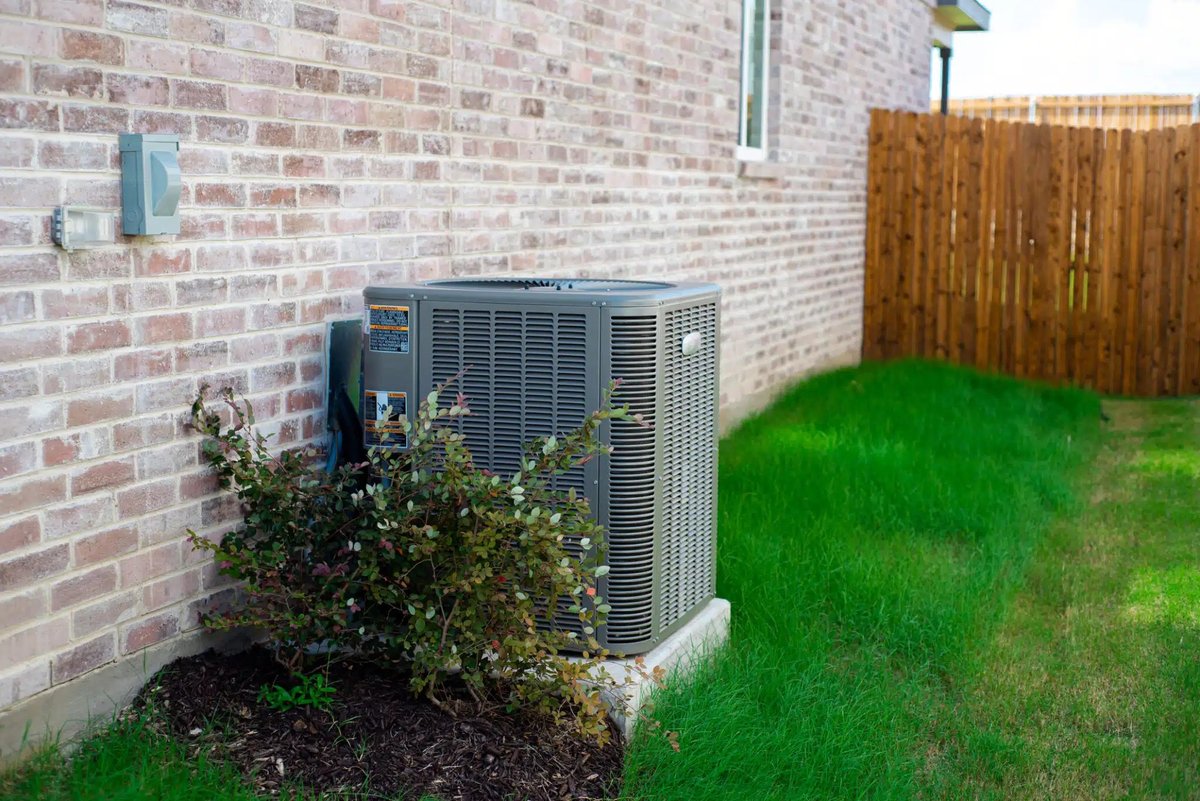
Navigating Miami's relentless heat and suffocating humidity means your home's air conditioning isn't just a luxury—it's a lifeline. Making the right choice when it comes to Choosing the Right System: Sizing & Brands for your new AC isn't a small decision; it's foundational to your comfort, your energy bills, and how long you'll enjoy a perfectly chilled retreat from the South Florida sun. Get it wrong, and you're signing up for years of sticky discomfort, shockingly high utility costs, and a system that quits far too soon. Get it right, and you’re investing in enduring comfort and peace of mind.
This isn't about simply picking the biggest or cheapest unit; it's about precision. We'll demystify what goes into properly sizing your AC system and why brand matters more than you might think, especially in a climate like Miami's.
At a Glance: Smart Decisions for Your Miami AC System
- Sizing is Critical: An undersized unit runs constantly and fails to cool; an oversized unit cycles too often and creates humidity issues. Both waste energy and shorten system life.
- Beyond Square Footage: Proper AC sizing requires a professional load calculation considering windows, insulation, ceiling height, shade, and more.
- Brand Quality Varies: Brands differ in compressor quality, energy efficiency (SEER2), humidity control, noise, warranty, and overall reliability.
- SEER2 is Your Friend: Higher SEER2 ratings mean greater energy efficiency and lower cooling costs, crucial for Miami's long cooling seasons.
- Humidity Control is a Must: Look for features like variable-speed compressors and enhanced dehumidification settings to combat Miami's pervasive moisture.
- Installation is Key: Even the best system will fail prematurely or operate inefficiently with poor installation. Choose your installer wisely.
- Maintenance Extends Life: Regular tune-ups are non-negotiable for peak performance, lower bills, and maximum lifespan.
Why Getting AC Sizing Right Isn't Just "Good Enough"—It's Crucial
Imagine trying to run a marathon in shoes that are two sizes too small. You wouldn't get very far, and your feet would pay the price. Now imagine trying to run that same race in shoes two sizes too big; you'd be tripping over yourself, wasting energy with every step. Your AC system works much the same way. In Miami's relentless climate, an incorrectly sized air conditioner is a recipe for disaster, leading to a trifecta of problems: poor comfort, skyrocketing energy bills, and a dramatically shortened system lifespan.
An undersized unit will labor constantly, running almost non-stop in an attempt to hit your desired temperature—a battle it's destined to lose. This continuous operation leads to inadequate cooling, especially during peak heat, and puts immense strain on components, causing premature wear and tear. You'll feel sticky and frustrated, watching your energy meter spin while your home never truly feels cool.
Conversely, an oversized unit might seem like a safe bet—more power, right? Wrong. An oversized system cools your home too quickly, reaching the thermostat's set point before it's had enough time to adequately remove humidity from the air. This rapid cycling is called "short-cycling." The result? Your home feels clammy and damp, promoting mold growth, creating musty odors, and potentially worsening respiratory issues. This frequent start-and-stop also wastes energy, contributes to uneven temperatures (hot spots and cold spots), and still puts undue stress on the compressor, leading to early breakdowns. Both scenarios are expensive mistakes that directly compromise your indoor comfort.
Beyond Square Footage: The Science of Proper AC Sizing for Miami Homes
Forget the old rule of thumb that just goes by square footage. While a starting point, it's far too simplistic for the complex thermal dynamics of a home, especially here in Miami. Proper AC sizing isn't guesswork; it's a precise engineering process based on industry-standard load calculations (often referred to as Manual J calculations). These calculations consider a multitude of factors unique to your specific home, ensuring the system is perfectly matched to its cooling and dehumidification needs.
Here’s a deeper dive into the critical elements that professional technicians evaluate:
- Home's Square Footage: Yes, it's still a factor, but only one piece of the puzzle.
- Number and Exposure of Windows: Windows are major entry points for solar heat gain. South and west-facing windows, especially those without adequate shading, contribute significantly to your home's cooling load. The type of glass (single, double-pane, low-E) also makes a big difference.
- Ceiling Height and Room Volume: Higher ceilings mean more air to cool. A home with 10-foot ceilings will require a larger unit than one with 8-foot ceilings, even if the square footage is identical.
- Insulation Quality: From the attic to the walls and even the floor, good insulation is your first line of defense against heat transfer. Well-insulated homes retain cool air better, reducing the AC's workload.
- Shade/Sun Exposure: The presence of large trees, awnings, or adjacent buildings that shade your home during the hottest parts of the day can significantly lower your cooling requirements. Conversely, a house fully exposed to direct sun will need a more robust system.
- Layout and Number of Floors: Multi-story homes often have different cooling needs on each floor. Open floor plans versus many small, enclosed rooms also impact airflow and temperature distribution.
- Occupancy Levels and Heat-Producing Appliances: Every person in your home generates body heat. Likewise, appliances like ovens, stoves, refrigerators, televisions, and computers all contribute to the internal heat load. A home with a family of five that cooks frequently will have a higher cooling demand than a single occupant who rarely uses their kitchen.
A qualified HVAC professional will perform a thorough assessment, often using specialized software, to gather all this data. They'll walk through your home, inspect your attic, measure windows, and ask about your lifestyle. This meticulous process ensures that the recommended system size (measured in tons, where one ton equals 12,000 BTUs per hour of cooling capacity) is precisely right for your comfort and budget. Don't let any contractor skip this vital step; it's non-negotiable for a truly effective and efficient AC system.
The Powerhouse Within: How Your AC Brand Impacts Comfort & Costs
Once you understand the precise sizing your home needs, the next big question often revolves around brand. Is one brand truly better than another? The short answer is yes. While many top brands produce high-quality equipment, there are significant variations in their internal components, compressor quality, available features, warranty coverage, and long-term reliability. Just as you wouldn't expect a budget car to perform or last like a luxury vehicle, not all AC brands are created equal.
When comparing brands, especially for a demanding environment like Miami, consider these crucial factors:
- Compressor Quality: The compressor is the heart of your AC system. High-quality compressors from reputable brands are more durable, quieter, and more efficient. Look for variable-speed or two-stage compressors, which offer superior performance and humidity control compared to single-stage models.
- SEER2 Energy Efficiency Ratings: This is a huge factor for your utility bills. We'll dive into SEER2 next, but higher ratings generally mean better internal components and more advanced engineering from the manufacturer.
- Humidity Control Features: Given Miami's high humidity, this is paramount. Some brands integrate advanced dehumidification technologies directly into their systems, offering superior moisture removal capabilities.
- Noise Levels: Modern, high-end AC units are engineered for quiet operation. If your outdoor unit is near a patio or bedroom window, a quieter model from a premium brand can make a significant difference to your outdoor living and indoor serenity.
- Warranty Length and Coverage: A strong warranty signals a manufacturer's confidence in their product. Compare compressor warranties, parts warranties, and labor warranties. Longer is generally better, but read the fine print regarding terms and conditions.
- Availability of Replacement Parts: Choosing a brand with readily available parts can save you time and money on repairs down the road. Local distributors and contractors will often favor brands with strong parts networks.
- Overall System Lifespan: While proper installation and maintenance play a huge role, some brands simply have a reputation for building more durable equipment that withstands the test of time and tough climates. Researching owner reviews and consulting with experienced local HVAC professionals can offer insights into real-world longevity.
Ultimately, your choice of brand should align with your priorities: Is maximum energy efficiency your top concern? Unparalleled humidity control? Or perhaps a balance of cost-effectiveness and reliability? Discuss these with your HVAC contractor, as they can guide you through the pros and cons of different brands based on their firsthand experience.
Decoding Efficiency: SEER2 Ratings and Your Miami Energy Bill
In a city where your AC runs almost year-round, energy efficiency isn't just a buzzword—it's a direct line to significant savings on your monthly power bill. For air conditioning systems, this efficiency is measured by the Seasonal Energy Efficiency Ratio 2 (SEER2) rating system. This is the updated standard (as of 2023) that replaces the original SEER rating, offering a more accurate representation of real-world energy consumption by using different testing conditions.
Here's what you need to know:
- What is SEER2? It's a measure of how efficiently an AC unit converts electricity into cooling over an entire cooling season. The higher the SEER2 number, the more efficient the system, and the less electricity it will consume to cool your home.
- The Miami Mandate: For Florida, the minimum SEER2 rating for new residential AC systems is 14.3 SEER2 for split systems and 13.8 SEER2 for packaged systems. However, in Miami, aiming higher is almost always a smart investment.
- Higher SEER2 = Lower Bills: While a system with a higher SEER2 rating typically has a higher upfront cost, the long-term energy savings can be substantial. For example, upgrading from a 10 SEER (an older standard) to a 16 SEER2 unit could reduce your cooling costs by 30-40% or more annually. Over the lifespan of the unit, these savings often outweigh the initial price difference.
- Beyond Just Savings: Energy-efficient models also tend to be built with higher-quality components, leading to reduced system strain and, consequently, a longer operating lifespan. They often incorporate advanced features like variable-speed compressors, which not only save energy but also provide superior comfort and humidity control.
When evaluating systems, don't just look for the minimum; consider what you can afford for the long haul. A high-efficiency unit is an investment that pays dividends through lower operating costs and enhanced comfort for years to come.
Fighting the Miami Drip: AC Systems Built for High Humidity
If you live in Miami, you know that heat is only half the battle; humidity is the silent comfort killer. A perfectly cool home that still feels sticky and clammy is not truly comfortable. Beyond the discomfort, poor humidity control can lead to serious issues like mold growth on walls and furnishings, musty odors, and can exacerbate respiratory problems for those sensitive to airborne moisture. This is why, in Miami, your AC system needs strong, dedicated moisture-removal capabilities.
When selecting your new AC, prioritize systems with features designed to tackle our pervasive humidity:
- Enhanced Dehumidification Settings: Many modern AC units, especially higher-end models, come with dedicated "dry" modes or enhanced dehumidification algorithms. These settings allow the system to run the fan at a lower speed while the compressor continues to cool, extending the run time and allowing the coils more opportunity to remove moisture from the air without overcooling your home.
- Variable-Speed or Two-Stage Compressors: This is perhaps the most impactful feature for humidity control.
- Variable-speed compressors can operate at almost any capacity, from as low as 25% up to 100%. This allows them to run for longer periods at lower capacities, slowly and steadily removing humidity without constantly cycling on and off. Longer run times, even at reduced power, are key to effective moisture removal and maintaining a consistent, comfortable temperature.
- Two-stage compressors offer a stepped approach, typically running at 70% capacity for most of the time and kicking into 100% on the hottest days. While not as precise as variable-speed, they are far superior to single-stage units for humidity control.
- Smart Thermostat Compatibility: Pairing your advanced AC system with a smart thermostat can unlock its full potential. Many smart thermostats learn your preferences, can be programmed for specific humidity targets, and can communicate directly with multi-stage or variable-speed systems to optimize both temperature and humidity.
- Improved Airflow Design: Proper ductwork and airflow are critical for humidity control. A well-designed system ensures air passes over the cooling coils efficiently, maximizing moisture condensation and removal. Your installer should assess your existing ductwork to ensure it's up to the task.
Investing in a system with robust humidity control features is not just about comfort; it's about protecting your home and your health from the pervasive dampness that defines Miami's climate.
The Unsung Hero: Why Professional AC Installation is Non-Negotiable
You could buy the most perfectly sized, top-of-the-line, high-SEER2, humidity-busting AC system on the market, but if it's poorly installed, you've wasted your money. Seriously. Many system failures, significant efficiency losses, and chronic comfort issues don't stem from faulty equipment but from shoddy installation. This isn't a DIY job or one for the lowest bidder with questionable credentials.
A quality installation by a certified, reputable HVAC contractor ensures your system operates exactly according to manufacturer specifications, delivering the comfort, efficiency, and lifespan you paid for. What does a professional installation entail?
- Precise Sizing Verification: Even if you've had a load calculation done, a good installer will verify or conduct their own.
- Correct Refrigerant Levels: Too much or too little refrigerant (Freon or puron) can severely impact efficiency and component life. A professional will evacuate the old refrigerant, weigh in the new, and check for leaks.
- Ductwork Integrity and Sealing: Leaky or undersized ductwork can lose up to 30% of your conditioned air before it even reaches your rooms. A good installer will inspect, seal, and potentially recommend modifications or replacement of your duct system to ensure optimal airflow.
- Proper Electrical Connections: Incorrect wiring or inadequate circuit breakers can be dangerous and damage your new unit.
- Accurate Airflow Adjustment: The installer will fine-tune the fan speed and register dampers to ensure balanced airflow throughout your home.
- Drainage System Setup: The condensate drain line must be properly sloped and free of obstructions to prevent water backups, which can lead to leaks, mold, and system shutdowns.
- Permits and Codes: A professional will handle all necessary permits and ensure the installation complies with local building codes, protecting you from future issues.
Think of it this way: your AC system is only as good as its weakest link, and often, that link is the installation. Skimping here is a false economy that will cost you far more in the long run.
Keeping Your Cool: The Lifelong Benefits of Routine AC Maintenance
Once your new, perfectly sized, expertly installed AC system is humming along, your job isn't done. Just like you wouldn't buy a new car and never change the oil, your AC system needs regular care to maintain peak performance. Routine maintenance isn't an optional add-on; it's an essential investment that offers significant returns in terms of better cooling, lower energy bills, and a longer equipment life.
For Miami homeowners, who put their AC through extreme paces for months on end, annual (or even bi-annual) tune-ups are non-negotiable. What does a typical maintenance visit involve?
- Cleaning Coils: Both indoor (evaporator) and outdoor (condenser) coils accumulate dirt and grime, which acts as an insulator, reducing heat transfer efficiency. Clean coils mean your system works less to cool your home.
- Checking Refrigerant Levels: Ensuring the system has the correct amount of refrigerant is crucial for optimal cooling and efficiency. Low levels often indicate a leak that needs addressing.
- Inspecting Electrical Systems: Technicians check wiring, connections, capacitors, and contactors for wear, corrosion, and proper function to prevent costly breakdowns.
- Clearing Drain Lines: Algae and sludge can clog condensate drain lines, leading to water backups, leaks, and potential mold growth. Clearing these lines is vital for humidity control.
- Testing Airflow and Thermostat Accuracy: Ensuring proper airflow and that your thermostat is reading and controlling temperatures accurately helps maintain comfort and efficiency.
- Lubricating Moving Parts: Reducing friction extends the life of motors and fans.
Regular maintenance helps catch small issues before they become expensive breakdowns. It ensures your system runs at its advertised SEER2 efficiency, keeping those energy bills in check. And importantly, a well-maintained system simply lasts longer, maximizing your investment. This proactive approach to your home's comfort system aligns with ensuring all aspects of your home's energy infrastructure are optimized for longevity and efficiency, much like considering advanced solutions such as solar powered whole house generators for ultimate resilience and self-sufficiency. Don't overlook this crucial step in caring for your new AC.
Common Questions & Crucial Clarifications
Even with all this information, you might still have some lingering questions. Here are clear answers to a few common misconceptions:
Q: Can I just use my old thermostat with my new, high-tech AC system?
A: While it might technically work, you likely won't get the full benefits of your new system. Modern, high-efficiency AC units, especially those with variable-speed or two-stage compressors and advanced humidity control, are designed to integrate seamlessly with smart, communicating thermostats. These thermostats unlock features that optimize performance, manage humidity more effectively, and maximize energy savings. Upgrading your thermostat is a small investment that significantly enhances your new system's capabilities.
Q: My neighbor just installed a 3-ton unit for their home, which is about the same size as mine. Can I just get a 3-ton unit too?
A: Absolutely not! This is one of the biggest mistakes homeowners make. As discussed, proper AC sizing is highly specific to your home, considering factors like window exposure, insulation, ceiling height, and occupancy. Your neighbor's home, even if similar in square footage, will have a unique thermal profile. Relying on their unit size is guesswork that almost always leads to an improperly sized system for your specific needs, resulting in all the problems we've outlined. Always insist on a professional load calculation for your individual property.
Q: Are all high-SEER2 units essentially the same, regardless of brand?
A: While a high SEER2 rating indicates good energy efficiency across the board, it doesn't mean all units are identical. Brands still differentiate themselves through compressor quality, internal components, noise levels, specific humidity control features, smart home integration, and warranty coverage. A 16 SEER2 unit from a premium brand might offer quieter operation, better dehumidification, and a longer lifespan than a 16 SEER2 unit from a budget brand, even if their efficiency ratings are the same. Look beyond just the SEER2 number and consider the overall package and brand reputation.
Q: How long should a new AC system last in Miami?
A: With proper sizing, professional installation, and consistent routine maintenance, a quality AC system in Miami can typically last 10 to 15 years, sometimes even longer. However, neglect, poor installation, or incorrect sizing can drastically reduce this lifespan, often leading to replacement within 5-8 years. The demanding climate means your system works harder, so diligence in care is rewarded with longevity.
Your Next Step to Lasting Comfort: Making an Informed Decision
Choosing the right AC system for your Miami home is a significant investment in your comfort, health, and financial well-being. It's clear that it's not a decision to be taken lightly or based on incomplete information. From the precision of proper sizing to the nuances of brand quality, energy efficiency, and crucial humidity control features, every element plays a vital role in creating the perfect indoor environment.
Your actionable next step is simple: partner with a reputable, local HVAC contractor. Seek out professionals who prioritize comprehensive load calculations, openly discuss different brands and their features, and have a track record of meticulous, code-compliant installations. Ask for references, check their certifications, and ensure they offer a robust warranty on their work. Don't be afraid to ask detailed questions about their process, the systems they recommend, and what ongoing maintenance plans they offer.
By combining the knowledge gained here with the expertise of a trusted professional, you'll be well-equipped to make an informed decision that ensures years of cool, dry, and energy-efficient comfort in your Miami home.