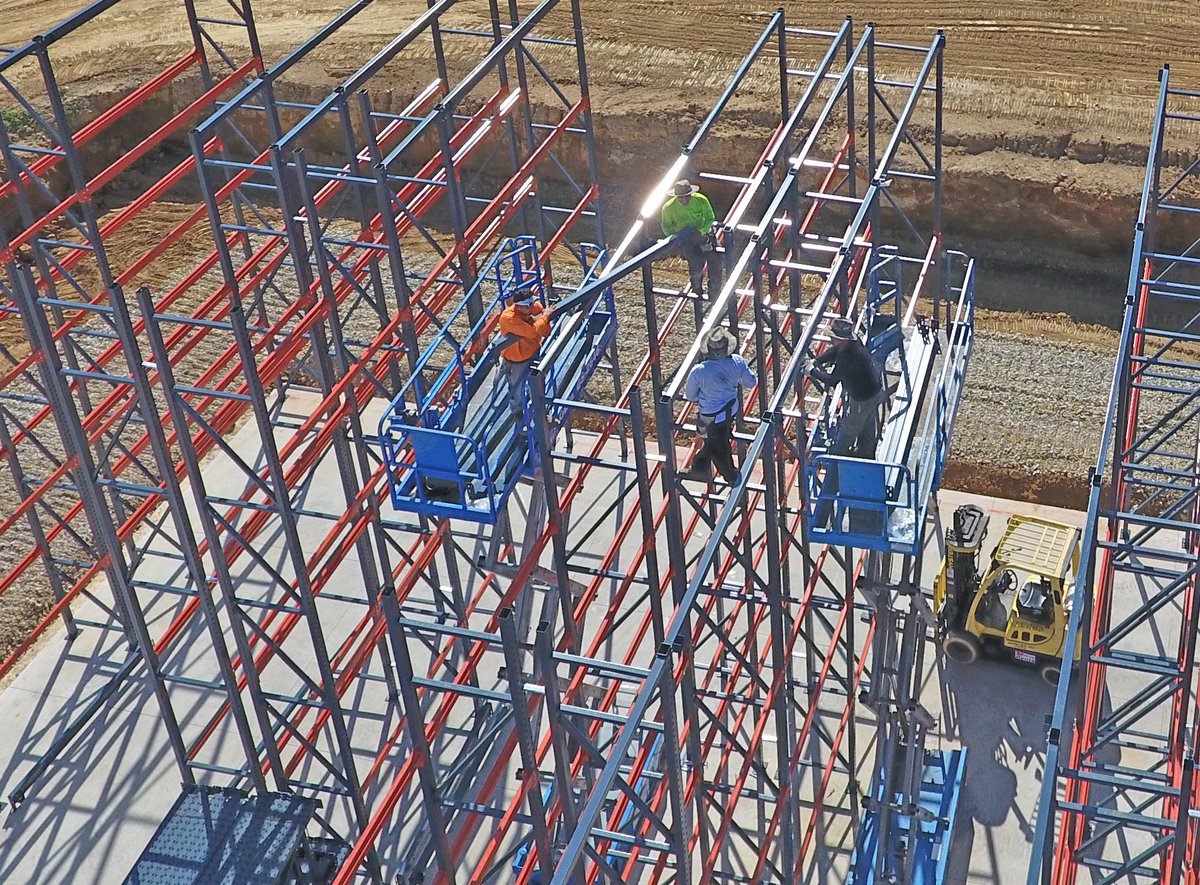
Your dream home renovation, that ambitious new addition, or even a crucial system upgrade like setting up solar powered whole house generators—they all share a common foundation: a meticulous approach to Installation, Permitting & Safety. Skipping these critical steps doesn't just invite fines; it can compromise the very integrity and safety of your structure, turning a vision into a costly, dangerous nightmare.
Think of it as the unwavering backbone of any successful construction or improvement project. It's the difference between a building that stands strong for decades and one that's a hazard waiting to happen. As someone who's seen the best and worst of construction projects, I can tell you this: understanding and respecting the rules around installation, permitting, and safety isn't just about compliance—it's about protecting your investment, your family, and your peace of mind.
At a Glance: Your Non-Negotiables for Any Building Project
Before you even pick up a hammer or break ground, here’s what you absolutely need to know:
- Permits are Your Project's Passport: They're not red tape; they're legal verification that your project meets minimum safety and structural standards.
- Safety First, Always: From planning to the final nail, prioritizing safety for everyone involved, and the future occupants, is paramount.
- Codes Aren't Optional: Building codes (state and local) evolve to protect you. Ignorance is not a defense, nor does it make a structure safe.
- Inspections Are Essential Checkpoints: They ensure what’s built matches the approved plans and complies with codes, protecting you from hidden dangers.
- Local Authorities Are Your Resource: Your city's building department is there to help guide you through the process, not just enforce it.
Why Permits Aren't Just Bureaucracy—They're Your Safety Net
You might be tempted to view building permits as an annoying hurdle, a bureaucratic formality designed to slow down your progress and lighten your wallet. But let's reframe that perspective entirely. Permits are, in essence, a critical safety and quality assurance program, mandated by law, for every significant construction or alteration project.
Imagine a world without permits: contractors cutting corners, electrical wiring installed by untrained hands, foundations poured on unstable ground, and structural changes made without engineering oversight. The result would be widespread structural failures, fires, gas leaks, and countless injuries or fatalities. This isn't hyperbole; it's precisely why our current system exists.
Take the City of Fremont's Building and Safety Division, for example. Their core mission, like similar departments across the country, is to process permits and conduct inspections to verify that construction and development conform to adopted codes, regulations, and requirements. Why? To ensure the fundamental safety of homes, buildings, and structures. It's a proactive measure, safeguarding not just the people within those structures but also the surrounding community.
Protecting Your Investment and Future Value
Beyond immediate safety, permits play a vital role in protecting your financial investment. An unpermitted addition or renovation can become a significant liability during a property sale. Most buyers' attorneys or real estate agents will scrutinize property records for proper permitting, and title companies often won't insure unpermitted work. This can lead to:
- Devaluation: The unpermitted work might not be counted in the home's square footage or value.
- Demolition Orders: Local authorities can order the demolition of unpermitted structures.
- Legal Headaches: You could be liable for code violations or safety issues that arise after a sale.
- Insurance Issues: Your homeowner's insurance might not cover damages to or from unpermitted work.
In short, a permit isn't just a piece of paper; it’s a stamp of approval that your project was designed, reviewed, and constructed to meet a specific, legally enforceable standard of safety and quality. It’s a promise that your structure, whether a new build or a renovation, is built to last and protect.
Navigating the Permitting Labyrinth: A Step-by-Step Guide
The permitting process can feel intimidating, but breaking it down into manageable steps makes it much clearer. Think of it as a guided journey, not a maze.
When Do You Absolutely Need a Permit?
This is often the first and most critical question. While exact requirements vary by jurisdiction, here are common triggers that almost always necessitate a permit:
- New Construction: Building a new home, garage, shed (above a certain size), or any new structure.
- Additions: Expanding the footprint of an existing building.
- Structural Changes: Altering load-bearing walls, adding or removing beams, changing rooflines.
- Major Remodeling: Moving walls, converting a garage into living space, significant interior reconfigurations.
- Electrical Work: Installing new circuits, upgrading your electrical panel, adding new outlets beyond simple replacements.
- Plumbing Work: Relocating or adding new plumbing lines, installing new water heaters, sewer line repairs.
- HVAC Systems: Installing new furnaces, air conditioners, ductwork, or significant system upgrades.
- Demolition: Even partial demolition often requires a permit, especially if it's structural.
- Decks & Porches: New construction or significant repairs/expansions.
- Fences: Often if they exceed a certain height (e.g., 6 or 7 feet).
- Window/Door Replacements: If you're changing the size or type of opening, or installing new egress windows in a basement.
- Roofing: Often requires a permit if you're stripping off existing layers and replacing with new, or changing material type.
- Specific Projects: Projects like installing solar powered whole house generators or large energy storage systems typically require electrical and sometimes structural permits due to weight and connection to the grid.
What doesn't usually need a permit? Minor repairs, painting, wallpapering, replacing existing fixtures (light switches, outlets, toilets) in the same location, carpeting, and typically small detached structures like playhouses that don't have utilities and are below a certain square footage. When in doubt, always call your local building department.
Understanding Local vs. State Codes: A Two-Tiered System
Construction codes aren't static; they evolve to incorporate new technologies, improved safety standards, and lessons learned from past disasters. In the United States, this often operates on a two-tiered system:
- State-Adopted Codes: Many states adopt model codes (like the International Building Code, International Residential Code, National Electrical Code, etc.) at a statewide level. The State of California, for instance, adopts new construction codes every three years. These provide a baseline for safety, structural integrity, energy efficiency, and accessibility across the entire state.
- Local Amendments: While states set the foundational rules, local jurisdictions (cities and counties) often have the authority to adopt amendments that are more restrictive than the state code. They cannot be less restrictive. These local amendments address specific regional concerns, such as:
- Seismic Activity: Regions prone to earthquakes (like California) often have more stringent seismic bracing requirements.
- Wildfire Risk: Areas with high wildfire potential will have specific requirements for fire-resistant materials and defensible space.
- Energy Conservation: Localities might push for higher energy efficiency standards than the state minimums.
- Local Infrastructure: Specific requirements related to storm drainage, sewer connections, or historical preservation.
This means that while a project in Fremont will adhere to the current California Building Code, it will also need to comply with specific local codes adopted by the City of Fremont. Always check with your local building department for the most current and specific requirements for your project's location.
The Permit Application Process: Your Roadmap to Approval
Once you've determined you need a permit, here's a general roadmap:
- Initial Research & Information Gathering:
- Visit your local city or county's "Building and Safety" or "Permit Services" website.
- Look for "Permit Forms and Handouts" webpages, as these are invaluable resources. They often provide submittal requirement forms, checklists, and guides for various project types.
- Understand zoning regulations that might affect your project (setbacks, height limits, lot coverage).
- Plan Preparation:
- For anything beyond the simplest projects, you'll need detailed plans. This might involve hiring an architect, engineer, or a qualified designer.
- Plans typically include:
- Site Plan: Showing property lines, existing and proposed structures, setbacks, easements, utilities.
- Architectural Plans: Floor plans, elevations, sections, roof plan.
- Structural Plans: Details on foundations, framing, bracing, load calculations (often required by a licensed engineer).
- MEP Plans: Mechanical (HVAC), Electrical, and Plumbing plans.
- Energy Calculations: Demonstrating compliance with energy efficiency codes.
- Application Submittal:
- Complete the permit application forms, which will require project details, contractor information (if applicable), and estimated costs.
- Submit your prepared plans and all required supporting documents. This "submittal package" is what the city will review.
- Plan Review:
- This is where city planners, building plan checkers, engineers, and sometimes fire department officials "examine project plans." They meticulously review your plans against all applicable state and local codes and regulations.
- Expect comments or requests for revisions. This is normal! It means they're doing their job to ensure everything is correct and safe. Respond promptly and accurately to all comments.
- Permit Issuance:
- Once your plans have been approved by all necessary departments, you'll pay the permit fees, and the permit will be issued.
- The permit card and approved plans must be kept on site and visible throughout construction.
This process, while requiring diligence, is designed to ensure a safe, compliant, and ultimately successful project.
The Crucial Role of Inspections: Your Project's Quality Check
Getting a permit is only half the battle. The other, equally vital half, involves inspections. These aren't just a formality; they're the critical checkpoints that ensure what's being built on site actually matches the approved plans and adheres to all current codes.
According to the City of Fremont's Building and Safety Division, every permit, including residential express, fire, temporary, and solar permits, requires a building inspection to finalize it and ensure adherence to approved plans. This is a universal truth in construction: you can't close out a permit without successful inspections.
What Inspections Cover: Peeking Behind the Walls
Inspections are staged throughout the construction process, specifically at points where critical elements will soon be covered up. This allows inspectors to verify compliance before it's too late or too difficult to correct issues. Common types of inspections include:
- Foundation/Footing Inspection: Conducted after trenches are dug, rebar is placed, and forms are set, but before concrete is poured. Verifies depth, width, reinforcement, and soil conditions.
- Under-Slab Plumbing/Electrical: Before the concrete slab is poured, verifies all plumbing and electrical lines under the slab.
- Framing Inspection: After the structural framework (walls, roof, floors) is complete, but before insulation or drywall. Checks structural integrity, bracing, openings, and adherence to approved plans.
- Rough-In Inspections (Electrical, Plumbing, Mechanical): Performed after all wiring, piping, and ductwork are installed, but before walls are closed up. Ensures correct installation, clearances, and code compliance.
- Insulation Inspection: After insulation is installed, but before drywall. Verifies R-values, proper installation, and air sealing.
- Drywall/Shear Wall Inspection: For specific projects, to verify fire-rated assemblies or shear wall nailing schedules.
- Final Inspection: The comprehensive final check after all work is complete, fixtures are installed, and the site is cleaned up. This is where the project officially gets its "Certificate of Occupancy" or permit sign-off, confirming it's safe for use.
Scheduling and Being Prepared for Inspections
- Timely Scheduling: It's your responsibility (or your contractor's) to schedule inspections at the correct stages of construction. Work cannot proceed past an inspection point until that inspection has passed.
- Access and Visibility: Ensure the inspector has clear, safe access to all areas. Don't cover up work that needs to be inspected.
- Approved Plans On-Site: Always have the approved, stamped plans available for the inspector to reference.
- Permit Card: The permit card (often posted at the job site) should be visible and accessible.
- Corrections: If an inspection fails, the inspector will provide a list of corrections needed. Address these thoroughly before rescheduling a re-inspection.
Common Reasons for Failed Inspections (and How to Avoid Them)
- Deviation from Plans: Building something different than what was approved. Solution: Stick strictly to the approved plans, or submit a revision if changes are necessary.
- Lack of Access: Work covered up, or areas blocked. Solution: Schedule inspections before covering anything, and ensure clear access.
- Poor Workmanship: Shoddy installation, incorrect fasteners, improper wiring/plumbing. Solution: Hire qualified professionals; if DIY, educate yourself thoroughly and follow best practices.
- Missed Requirements: Overlooking a specific code detail or local amendment. Solution: Thoroughly review your approved plans and local code handouts.
- No Approved Plans On-Site: Inspectors need to verify against what was approved. Solution: Always have the stamped plans available.
Remember, inspectors are not there to be roadblocks; they are highly trained professionals safeguarding your property and everyone's well-being. View them as an essential part of your quality control team.
Safety First: Beyond Just Code Compliance
While building codes and permits are foundational to safety, they represent minimum standards. True project safety goes far beyond mere compliance, encompassing proactive measures to protect everyone on and around the job site, and the integrity of the completed structure.
Prioritizing On-Site Safety: For Workers and the Public
Construction sites are inherently dangerous places. Falls, electrocution, struck-by incidents, and trench collapses are just a few of the risks. A "safety first" mentality isn't just a slogan; it's a non-negotiable operational principle.
- Personal Protective Equipment (PPE): Hard hats, safety glasses, high-visibility clothing, steel-toed boots, and gloves should be mandatory for everyone on site. Specialized tasks may require respirators, hearing protection, or fall arrest systems.
- Fall Protection: Falls are a leading cause of fatalities in construction. Guardrails, safety nets, and personal fall arrest systems must be in place for work at heights. Proper ladder and scaffold safety is crucial.
- Site Security and Access Control: Secure your construction site to prevent unauthorized access, especially by children, who are naturally curious but highly vulnerable to hazards. Fencing, clear signage, and securing tools/materials are essential.
- Hazard Communication (HazCom): Ensure all workers understand the risks associated with chemicals and materials on site. Safety Data Sheets (SDS) should be readily available.
- Lockout/Tagout Procedures: For any work involving machinery or electrical systems, proper lockout/tagout ensures that power cannot be accidentally restored, preventing catastrophic injuries.
- Emergency Preparedness: Have a clear emergency action plan, including first aid kits, designated emergency contacts, and clear evacuation routes.
- Tool and Equipment Safety: Ensure all tools are in good working order, properly maintained, and used as intended. Machine guarding is essential to prevent contact with moving parts.
- Housekeeping: Keep the site clean and organized. Clutter, debris, and poorly stored materials create tripping hazards and can impede emergency access.
Safeguarding the Future: Structural Integrity and Environmental Responsibility
Safety extends beyond the construction phase into the long-term viability and impact of the structure itself.
- Quality Materials and Installation: Using materials that meet code and installing them correctly ensures the structure will perform as designed. For instance, correctly installing a complex system like solar powered whole house generators isn't just about getting it to work; it's about ensuring it operates safely, efficiently, and reliably for decades, without posing fire hazards or electrical risks.
- Environmental Protection: Construction can impact the environment. Erosion control, proper waste disposal, and preventing hazardous material spills are crucial.
- Fire Safety: Beyond code requirements for fire-rated assemblies, consider smoke detectors, carbon monoxide detectors, and easy egress routes.
- Occupant Health: Ensuring good indoor air quality (ventilation, proper sealing against pollutants), safe finishes, and adequate lighting contribute to the health and well-being of future occupants.
Cutting corners on safety is a gamble with devastating potential consequences—not only legal and financial penalties but, more importantly, human lives. Invest in safety as diligently as you invest in design and materials.
Common Pitfalls and How to Dodge Them
Even with the best intentions, projects can go awry. Knowing the common traps can help you steer clear.
Starting Work Without a Permit
The Pitfall: "It's just a small job, I'll sneak it in." Or, "I didn't know I needed one."
Why it's Dangerous: Unpermitted work can lead to stop-work orders, hefty fines (often double or triple the original permit fee), forced demolition, difficulty selling your home, and potential insurance denial if something goes wrong. It also bypasses crucial safety checks.
How to Dodge It: Always check with your local building department before starting any project. Make a quick call or visit their website. When in doubt, apply for a permit. It's far cheaper and safer in the long run.
Not Understanding Local Amendments
The Pitfall: Relying solely on general state building codes or information from a different city/county.
Why it's Dangerous: Your specific locale might have unique requirements for seismic bracing, energy efficiency, wildfire protection, or stormwater management. Ignoring these can lead to failed inspections and costly rework.
How to Dodge It: Access your specific city or county's "Permit Forms and Handouts" webpage, like the one offered by Fremont. These resources detail local amendments and specific submittal requirements. A quick consultation with a plan checker can also clarify nuances.
DIY Projects Exceeding Homeowner Capabilities
The Pitfall: "How hard can it be? I watched a YouTube video."
Why it's Dangerous: While many DIY projects are safe and rewarding, complex structural, electrical, or plumbing work requires specialized knowledge and tools. Improper execution can lead to serious hazards (fires, floods, structural collapse) and compromise your home's safety and value.
How to Dodge It: Be realistic about your skills. For projects involving load-bearing elements, new wiring, or gas lines, hire licensed and insured professionals. If you insist on DIY, thoroughly research, follow manufacturer instructions meticulously, and don't hesitate to consult with experts or your building department. Many jurisdictions allow homeowners to pull their own permits, but they still hold you to the same code standards as a professional.
Ignoring Inspection Requests or Failing to Prepare
The Pitfall: "The inspector will just sign off, it's fine." Or, "I'm not ready, but I'll call them anyway."
Why it's Dangerous: Skipping required inspections means critical safety components go unchecked. Failing an inspection due to unpreparedness wastes your time and the inspector's, leading to project delays and potential re-inspection fees.
How to Dodge It: Understand the sequence of inspections for your project. Only call for an inspection when the work is 100% complete and exposed for the specific stage. Have your approved plans on-site, ensure clear access, and address any previous correction notices.
Hiring Unlicensed or Uninsured Contractors
The Pitfall: "They're cheaper, and they can start tomorrow!"
Why it's Dangerous: Unlicensed contractors often lack proper training, don't adhere to codes, and may disappear if problems arise. Uninsured contractors put you at extreme financial risk if a worker is injured on your property or if your property is damaged.
How to Dodge It: Always verify a contractor's license (most state licensing boards have online search tools). Ask for proof of liability and worker's compensation insurance. Get multiple bids, check references, and have a clear, written contract detailing the scope of work, timeline, and payment schedule.
Avoiding these common mistakes will save you significant time, money, and stress, ensuring your project is completed safely and legally.
Decoding "Code Compliance": What It Really Means
"Code compliance" isn't just a buzzword; it's the fundamental principle guiding all legal construction. It means that every aspect of your project—from the foundation to the roof, the wiring to the plumbing—adheres to the specific rules and regulations established by your state and local authorities. These rules are codified in documents like the California Building Code, along with local amendments.
Beyond the Minimum: Best Practices
It's crucial to understand that building codes represent minimum acceptable standards for safety and habitability. While meeting code is non-negotiable, a truly high-quality project often goes beyond these minimums.
- Enhanced Durability: Using higher-grade materials, stronger fasteners, or more robust construction techniques than strictly required by code can significantly extend the lifespan of your structure.
- Superior Energy Efficiency: Codes set baseline energy performance. You can often achieve much greater efficiency through better insulation, high-performance windows, advanced HVAC systems, or integrating renewable energy solutions.
- Increased Resilience: In areas prone to specific natural disasters (hurricanes, floods, wildfires), building beyond code can significantly increase a structure's ability to withstand these events. This might involve additional strapping, elevated foundations, or fire-resistant landscaping.
- Healthier Indoor Environments: Codes ensure basic ventilation, but advanced filtration systems, low-VOC (volatile organic compound) materials, and thoughtful design can create healthier living spaces.
The Evolution of Codes: Constantly Improving Our Built Environment
Building codes are not static. They are dynamic documents, regularly updated to reflect new scientific understanding, technological advancements, and societal needs. For example, the State of California adopts new construction codes every three years. These updates often focus on:
- Energy Efficiency: With a growing emphasis on sustainability, codes frequently update to require better insulation, more efficient windows, and renewable energy integration.
- Seismic Safety: Following significant earthquakes, seismic codes are often reviewed and strengthened to improve building performance during ground shaking.
- Fire Safety: Updates address new materials, occupancy types, and lessons learned from fires to enhance occupant safety and property protection.
- Accessibility: Codes continuously evolve to ensure buildings are accessible to people of all abilities, improving universal design.
Understanding this evolution helps you appreciate that "code compliance" today might mean something different in a few years. It underscores the importance of working with professionals who stay current with the latest regulations.
Impact on Resale Value and Insurance
Code compliance has tangible benefits for your property's long-term value and your financial security:
- Resale Value: A fully permitted and code-compliant home is a valuable asset. Buyers have confidence in its safety and legality, and appraisals will reflect the value of properly constructed additions and improvements. Unpermitted work, conversely, can be a major detractor.
- Insurance Coverage: Most homeowner's insurance policies require your home to be built and maintained in accordance with local building codes. If damage occurs to or from unpermitted or non-compliant work, your insurance claim could be denied, leaving you personally liable for repairs or rebuilding.
In essence, code compliance is a foundational pillar of quality construction, ensuring safety, sustainability, and protecting your most significant investment. It's not just about following rules; it's about building better, smarter, and safer.
Empowering Your Project: Next Steps for Success
You've absorbed a lot of information, and hopefully, you now see "Installation, Permitting & Safety" not as an obstacle course, but as an essential roadmap to a successful project. Here's how to translate this knowledge into actionable steps:
- Educate Yourself, Then Consult: Start by familiarizing yourself with your local building department's website. Look for those "Permit Forms and Handouts" pages. They are goldmines of information specific to your area. After your initial research, don't hesitate to call or visit the planning or building counter with your questions. They are there to help clarify requirements for your specific project.
- Define Your Scope: Clearly outline what you want to achieve. This will help determine which permits you need, what kind of plans are required, and the professionals you might need to engage.
- Assemble Your Dream Team (If Needed): For anything beyond the simplest DIY, gather bids from licensed and insured architects, engineers, and contractors. Verify their credentials and check references. A great team is your best asset for navigating the complexities of permits and codes.
- Plan Meticulously: Good planning is the bedrock of compliance. Ensure your plans are thorough, accurate, and incorporate all known code requirements. This upfront investment saves significant time and money later.
- Budget for Compliance: Remember that permit fees, professional design services, and the cost of code-compliant materials are all integral parts of your project budget. Don't view them as optional extras.
- Stay Engaged Throughout: Whether you're hiring a contractor or doing it yourself, remain actively involved. Understand the inspection schedule, be present for key milestones, and ensure any questions or issues raised by inspectors are addressed promptly.
- Prioritize Safety From Day One: Develop a safety mindset for your project. This means providing PPE, maintaining a clean site, and implementing safe work practices, not just for workers but for anyone who might access the area.
Your construction project, regardless of its size, deserves to be built with integrity, safety, and full compliance. By embracing the principles of effective installation, diligent permitting, and unwavering safety, you're not just building a structure; you're building peace of mind, protecting your investment, and contributing to a safer community. Now, go build something great, the right way.